


Let’s be honest: most people would rather get cash than another scented candle they’ll never use.
A 2019 Mint survey found that 61% of people said they’d prefer cash or a gift card to a traditional present.
And yet, pulling out an envelope at a birthday party or giving money as a wedding gift still feels a little flat. Not because money is a bad gift but because the delivery matters just as much as the amount one decides to give.
This guide shows you exactly how to give money as a gift, from working out your budget to making the presentation feel genuinely thoughtful, not lazy.
1. Know When Cash Is the Right Call

Cash isn’t always the answer. But for certain occasions, it’s the best one.
Cash lands well when:
- Someone is going through a big life transition, such as graduating, getting married, having a baby, moving out.
- You don’t know the person’s tastes well enough to guess.
- The recipient lives far away and shipping is complicated.
- The person has specifically mentioned saving for something.
Cash can backfire when:
- You’re in a new romantic relationship and your partner is expecting something more personal.
- You’re gifting an older, more established relative or grandparents who might interpret cash as you implying they need money.
- It’s a highly intimate occasion where a physical, thoughtful gift carries emotional weight.
My best suggestion is you should first think about the relationship and the moment before you reach for your wallet.
2. Make the Presentation Count
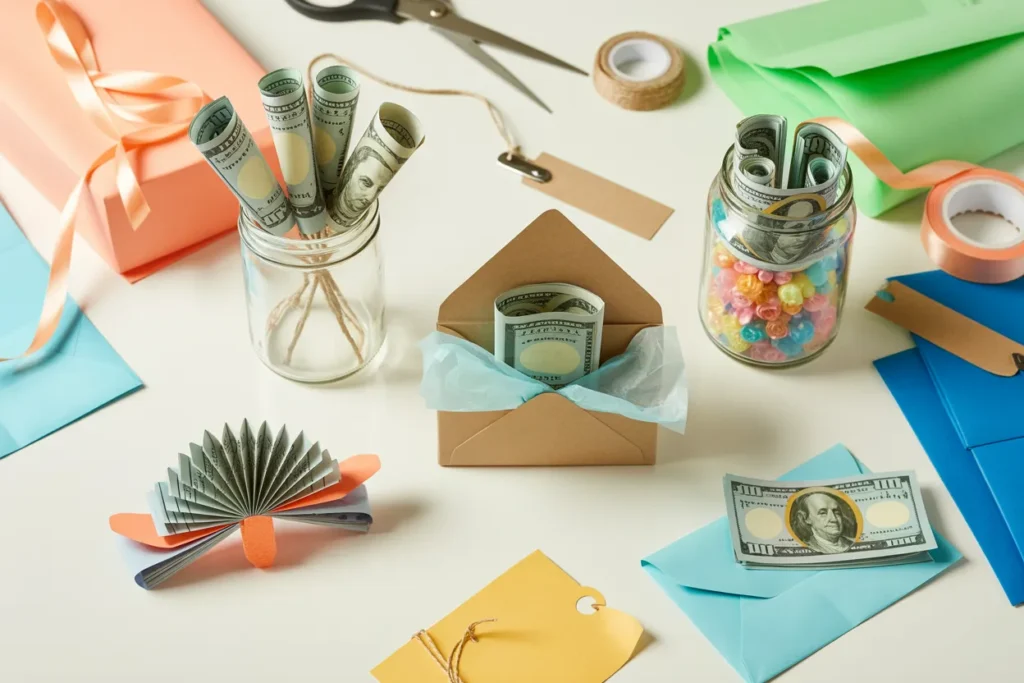
Cash gift can feel like an afterthought or like a real gift.
The difference is in the packaging. And no, you don’t need to be crafty. You just need to put in a little effort.
Here are some physical presentation ideas that work:
Money Origami

Fold bills into shapes: shirts, flowers, stars, butterflies. Even a single folded bill shaped as a flower tucked into a card makes the gift feel deliberate. It’s especially popular for graduation gifts, where the recipient gets a pile of envelopes and yours will stand out.
YouTube has hundreds of free tutorials. Here’s just one example that I like:
The Nested Box Trick
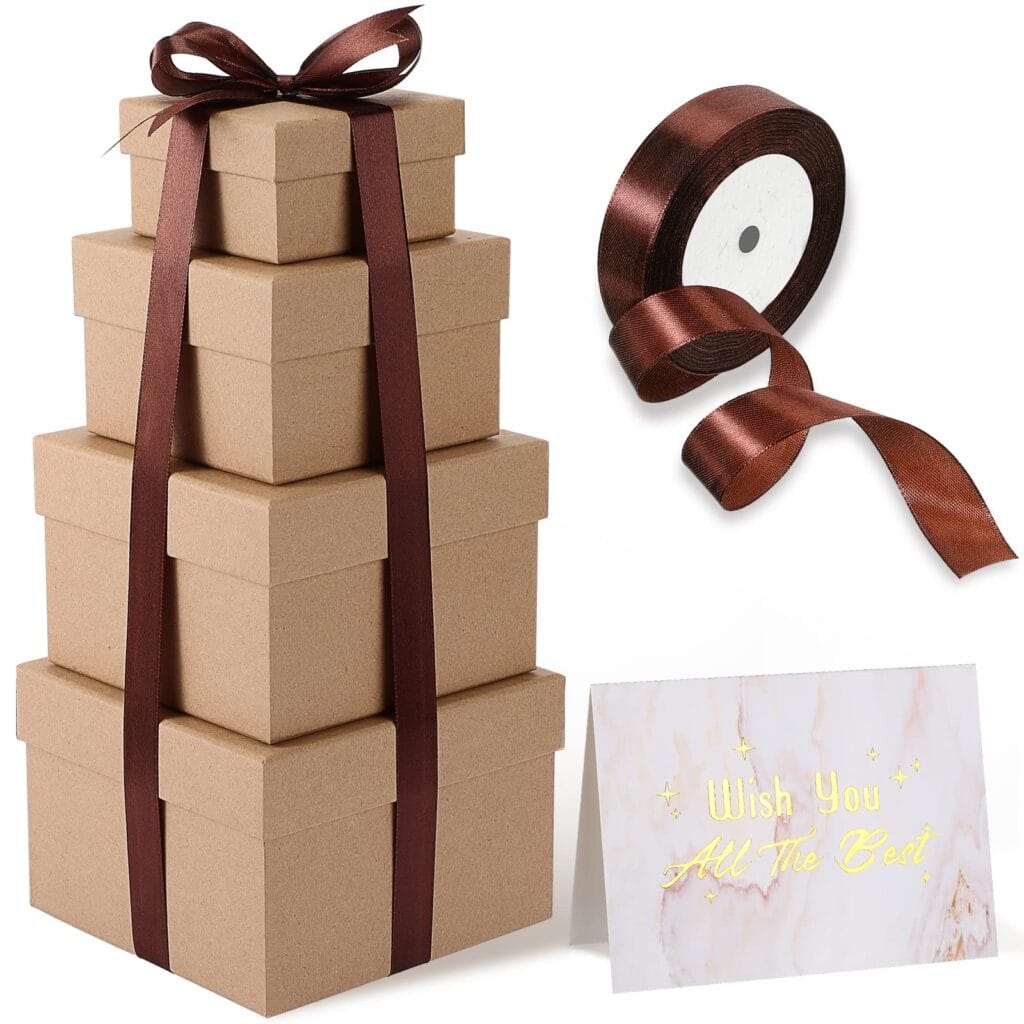
Put a bill in the smallest box, wrap it, nest it inside a slightly bigger box, add another bill, wrap again. Keep going.
By the time the recipient unwraps the tenth layer, the whole room is laughing. The tower of boxes and the pile of money is the kind of gift people remember.
Cash in a Jar with a Purpose Label

A mason jar labeled “Honeymoon Fund,” “First Apartment,” or “Coffee Money” immediately gives the gift context. It’s no longer just $50. It’s $50 toward something specific. Pair it with a ribbon and a handwritten tag and you’re done.
Money in a Book

Slide bills between pages of a book the person has been wanting to read. It’s a two-in-one gift and the surprise of finding cash mid-chapter is genuinely delightful. Such an idea works well for birthday gifts for readers.
The Scavenger Hunt

Hide cash around the house or yard, leave clues, and let the recipient work for it. It sounds like a lot of effort but it doesn’t have to be. Three to five hiding spots with simple clues is more than enough to make it fun. Kids and teens especially love this format.
3. Set Your Budget Before You Give
One of the awkward parts of cash gifting is the “how much?” question. Here’s a practical breakdown by occasion and relationship:
| Occasion | Acquaintance / Coworker | Friend / Distant Family | Close Friend / Family |
| Birthday | $20–$30 | $30–$50 | $50–$100+ |
| Graduation | $30–$50 | $50–$100 | $100–$200+ |
| Wedding | $50 | $50–$75 | $75–$150+ |
| Baby Shower | $25–$40 | $40–$75 | $75–$150 |
| Just Because | $10–$20 | $20–$50 | Whatever feels right |
The golden rule is to give the amount you can comfortably afford. Never stretch your budget just because you think that’s what someone expects from you.
One more thing:
For weddings, don’t give less than $50, though that’s a perfectly acceptable amount if you’re a loose acquaintance or attending alone.
4. Go Digital Without Losing the Personal Touch
Physical presentation isn’t always possible, especially if you’re gifting someone in another city or country. The good news is that digital doesn’t have to mean impersonal.
Your main options:
Venmo
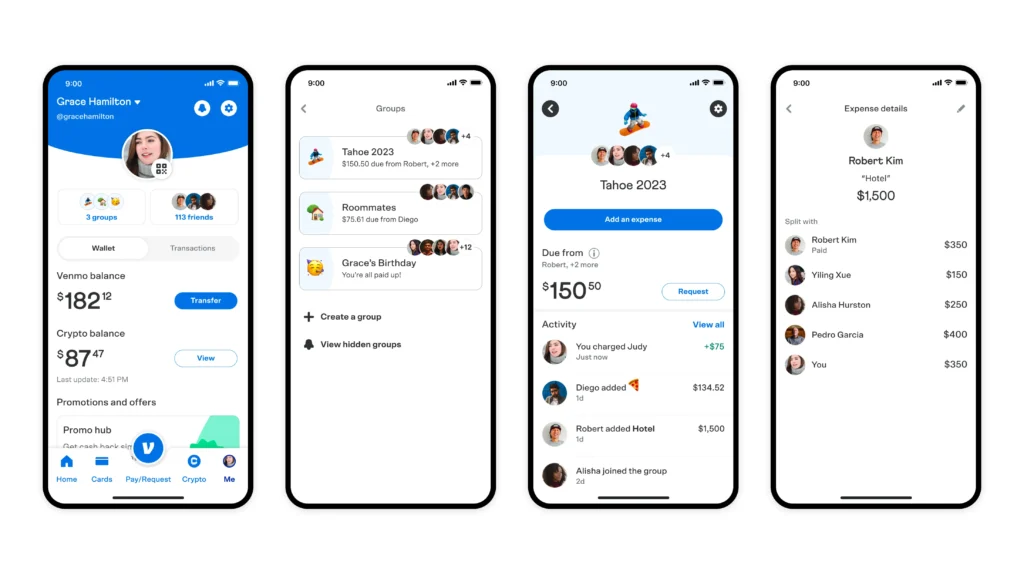
Venmo is best for friends and younger recipients. You simply add a note and emoji with the transfer to make the gifting personal.
Transactions are free when you use a bank account or your Venmo balance. Venmo also lets you send gift cards directly through the app by tapping the Gift button and choosing from top brands.
Zelle
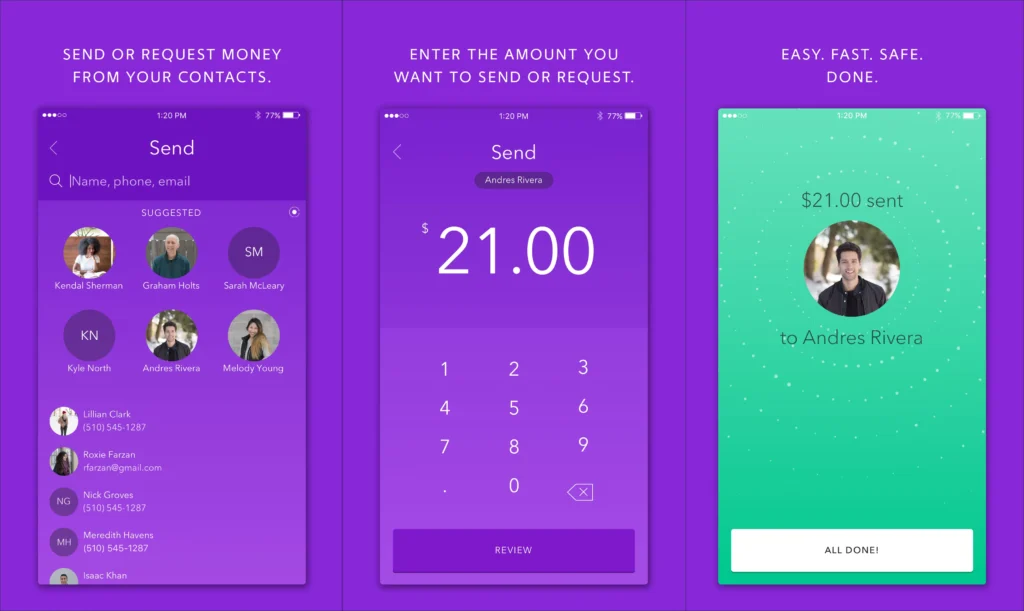
Zelle is available as a built-in option in most US banking apps. Transfers are typically free and land directly in the recipient’s bank account, often within minutes.
It’s clean and fast, but it’s less social than Venmo.
PayPal
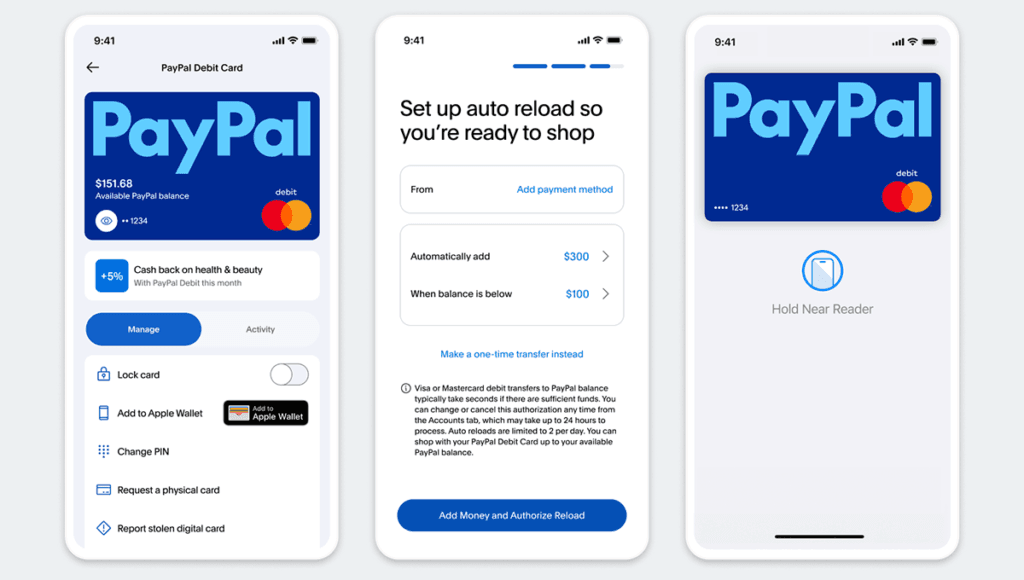
PayPal is great for recipients in the United States as well as outside the US.
PayPal even lets you choose a gift presentation, meaning you can select a card theme, add a personal note, and send it as a proper gift rather than a plain transfer.
5. Match the Delivery Method to the Person
Not everyone receives a cash gift the same way. So tailor your approach if you want your cash gift to stand out.
- For kids and teens: Make it tactile and fun. The scavenger hunt, nested boxes, or money frozen in a block of ice creates an experience around the money.
- For college students: Practicality is king. A Venmo transfer with a note saying “for groceries / textbooks / a night out — your call” lands perfectly. No presentation needed. They’ll use it.
- For newlyweds: Think beyond the envelope for wedding gift money. A decorative jar labeled “honeymoon fund”, or “date night jar” sits beautifully on a gift table and immediately communicates that you thought about how they’d use it.
- For parents and grandparents: Frame it as a specific treats – “for dinner out,” “put this toward your garden.” It removes the chance of it feeling like charity and makes it feel celebratory instead.
- For long-distance family: Go digital for long. Cash gifts mean your support arrives quickly, and the recipient can use the money locally in a way that makes sense.
6. Write a Note That Does the Heavy Lifting
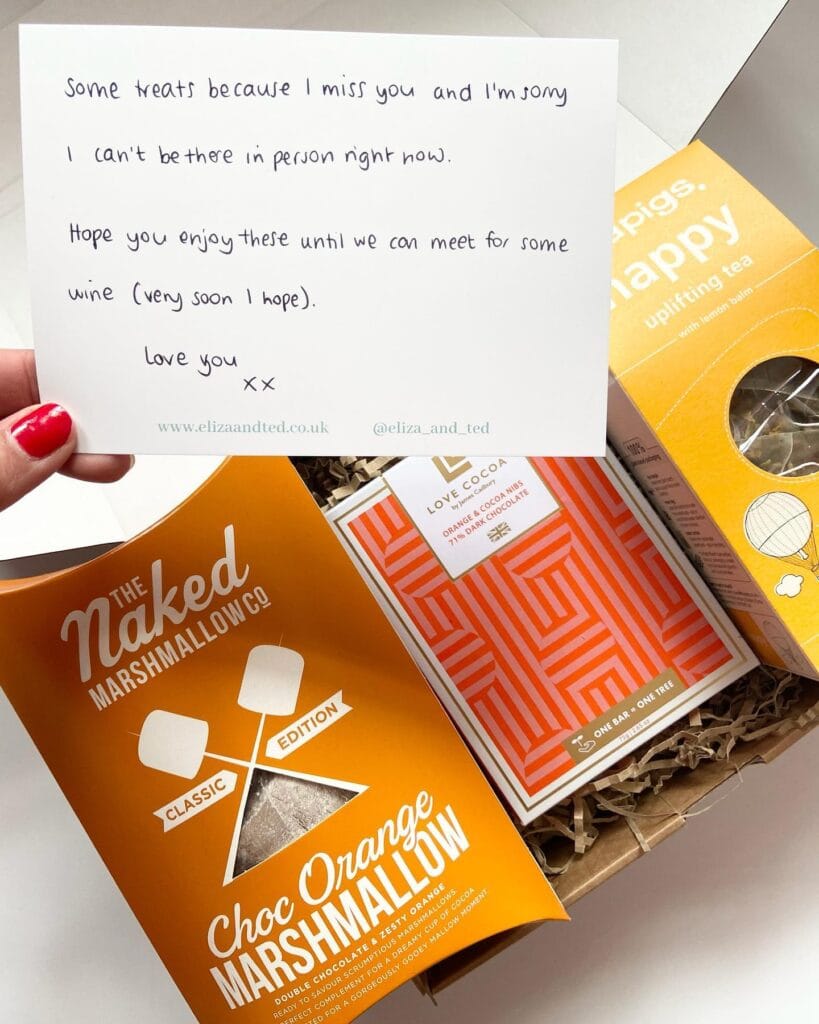
Here’s the thing about cash:
People worry it reveals they have no idea what the recipient actually likes. A good note fixes that completely.
Your note doesn’t need to be long. It needs to be specific.
Instead of: “Happy graduation! Hope this helps.”
Try: “You’ve worked incredibly hard for this. Use this however you want – whether that’s a weekend trip, a new piece of kit for your work, or just some breathing room. You’ve earned it.”
That message tells them you see them. The money is just the vehicle.
If you’re giving to someone saving for something specific, such as a car, a holiday, a house deposit, mention it.
7. Consider Investing Instead of Giving Cash Directly
For certain recipients, especially children and young adults, an investment beats a cash handout.
Options worth considering:
- Buy a share or fractional share in a company the recipient loves.
- Contribute to a college savings plan for a child.
- Open or top up a Roth IRA for a young adult with earned income.
- Gift a savings bond, which holds sentimental value alongside financial value.
These ideas work especially well for baby shower gifts and birthday gifts for kids, where the money will compound over time rather than disappear into a weekend’s spending.